
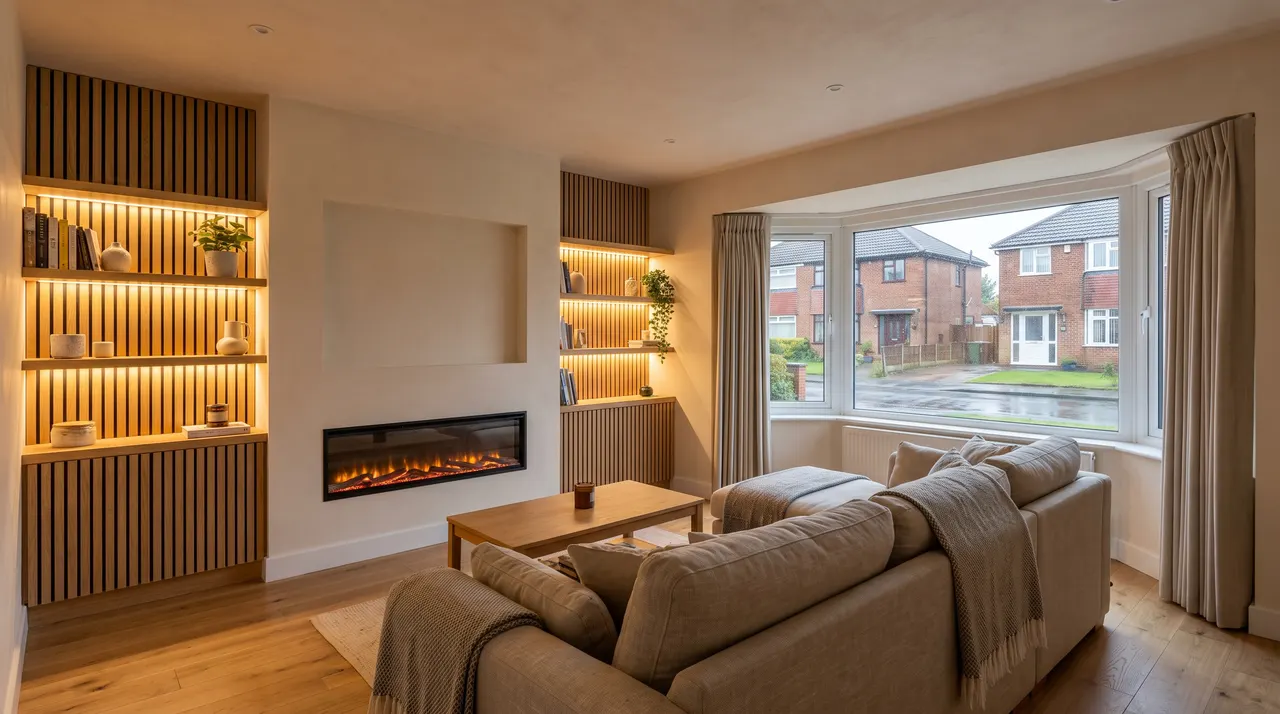
House Renovations and Full Property Refurbishments in Milton Keynes
Full property refurbishments across Milton Keynes. One team, one programme, one person answering the phone about all of it.
This is the work Charlie enjoys most: a house in Milton Keynes taken back to the shell and completely transformed inside. Strip out, structural alterations, a reconfigured open plan ground floor, new kitchen and bathrooms, plastering and decorating throughout. A full renovation is a different animal to a single room, because everything talks to everything else and the order of work matters as much as the work itself. Get the sequence wrong and you are chasing electrics through finished plaster.
Typical works can include
Every project is different. Depending on the agreed scope, works may include:
- Strip out, waste removal and site protection
- Structural alterations, knock throughs and chimney breast removal
- New stud partitions, cloakrooms and internal reconfiguration
- Full or partial rewire and new consumer unit by a qualified electrician
- New pipework, soil and waste runs, heating and radiators
- Insulation upgrades where walls and lofts are open
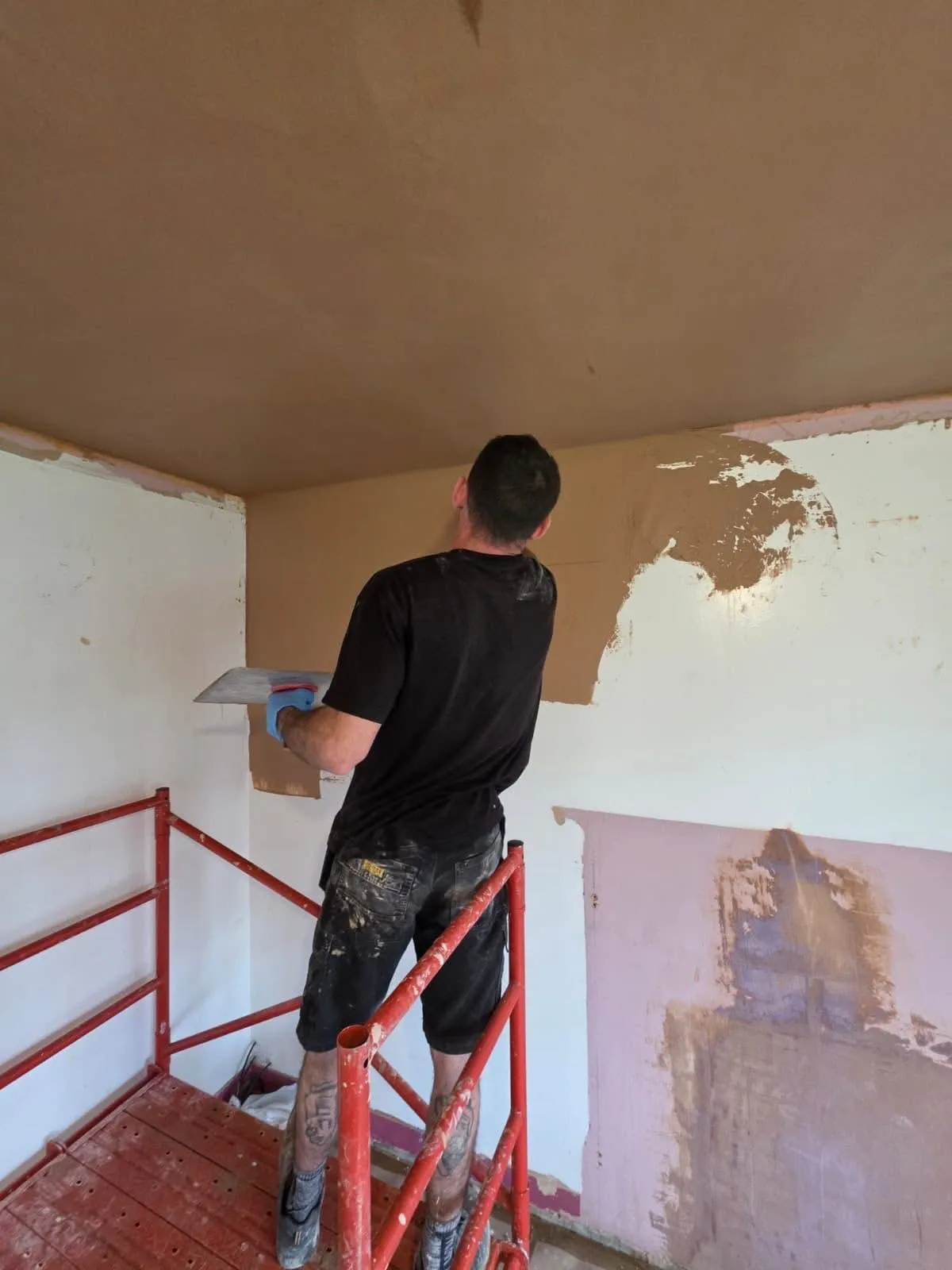
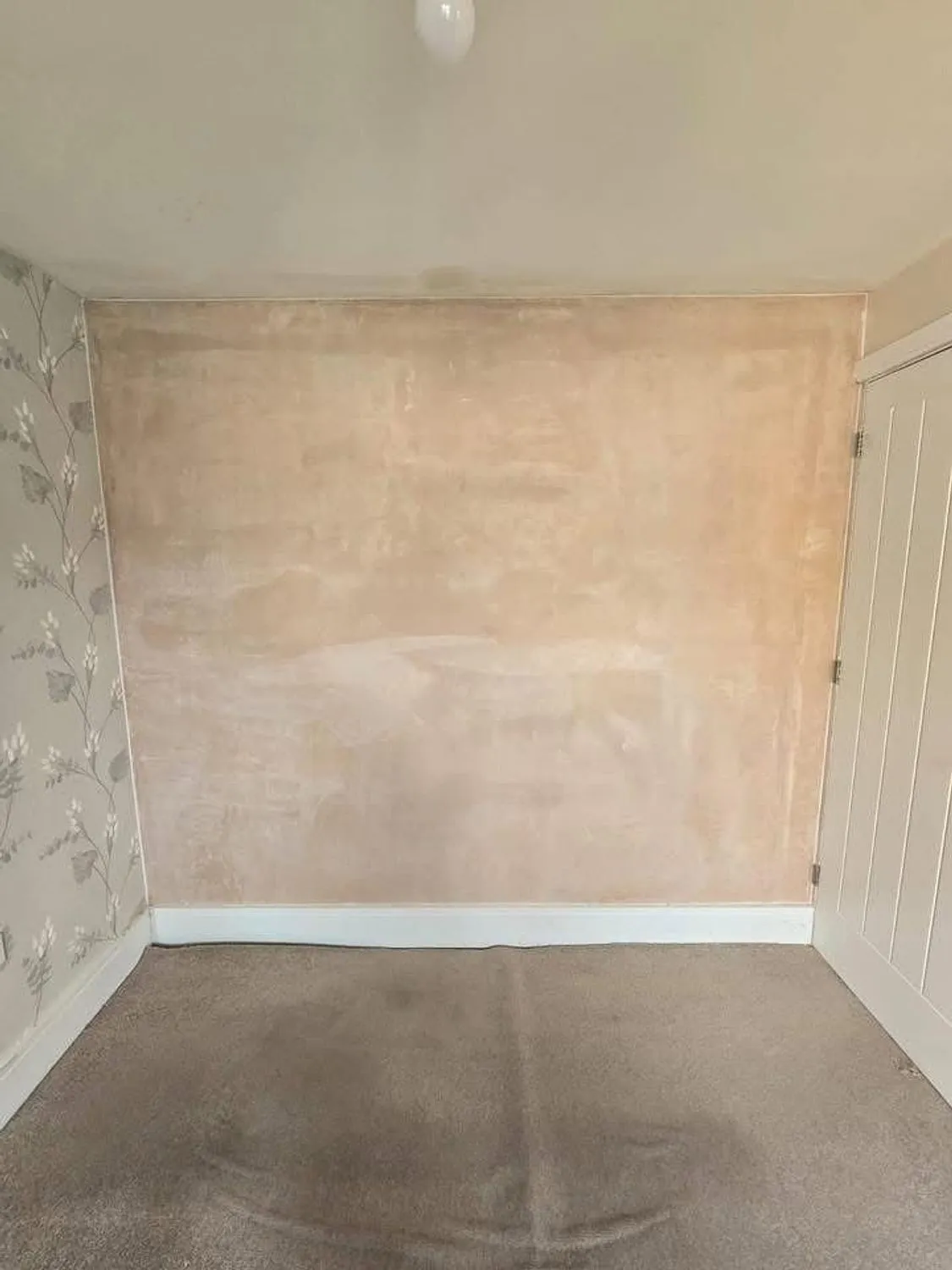
- Replastering, skimming and dry lining
- Kitchens, bathrooms and fitted joinery
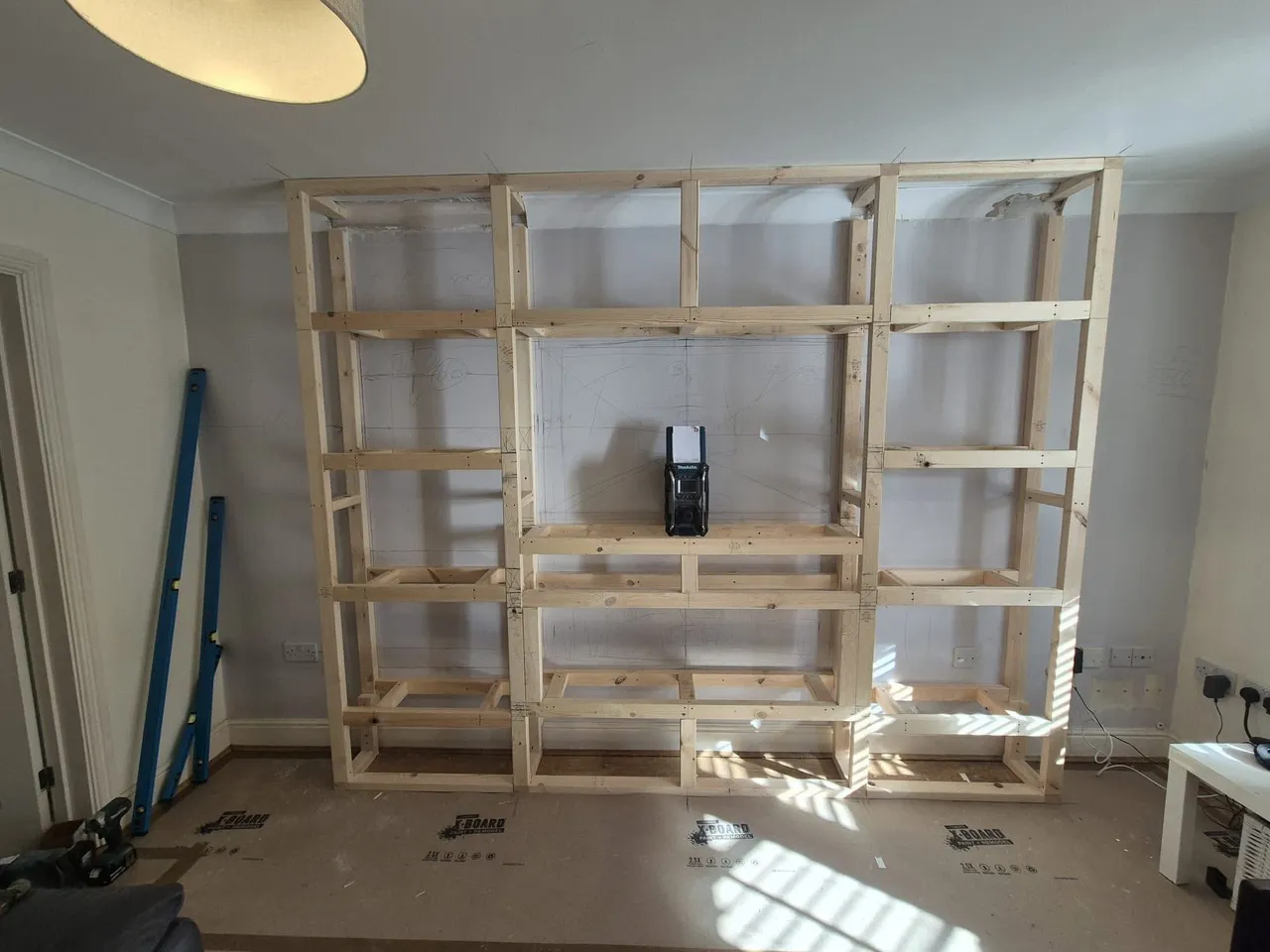
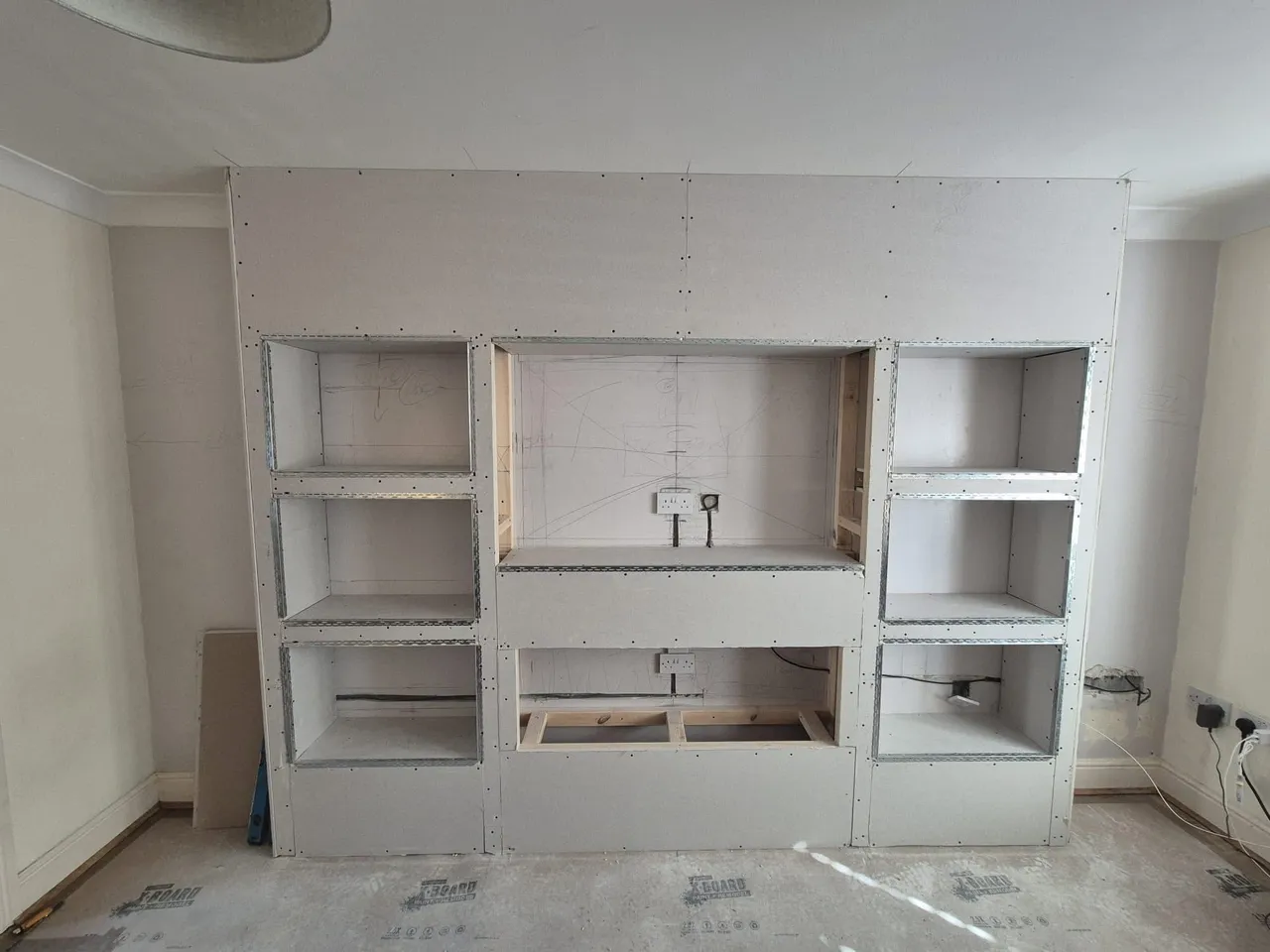
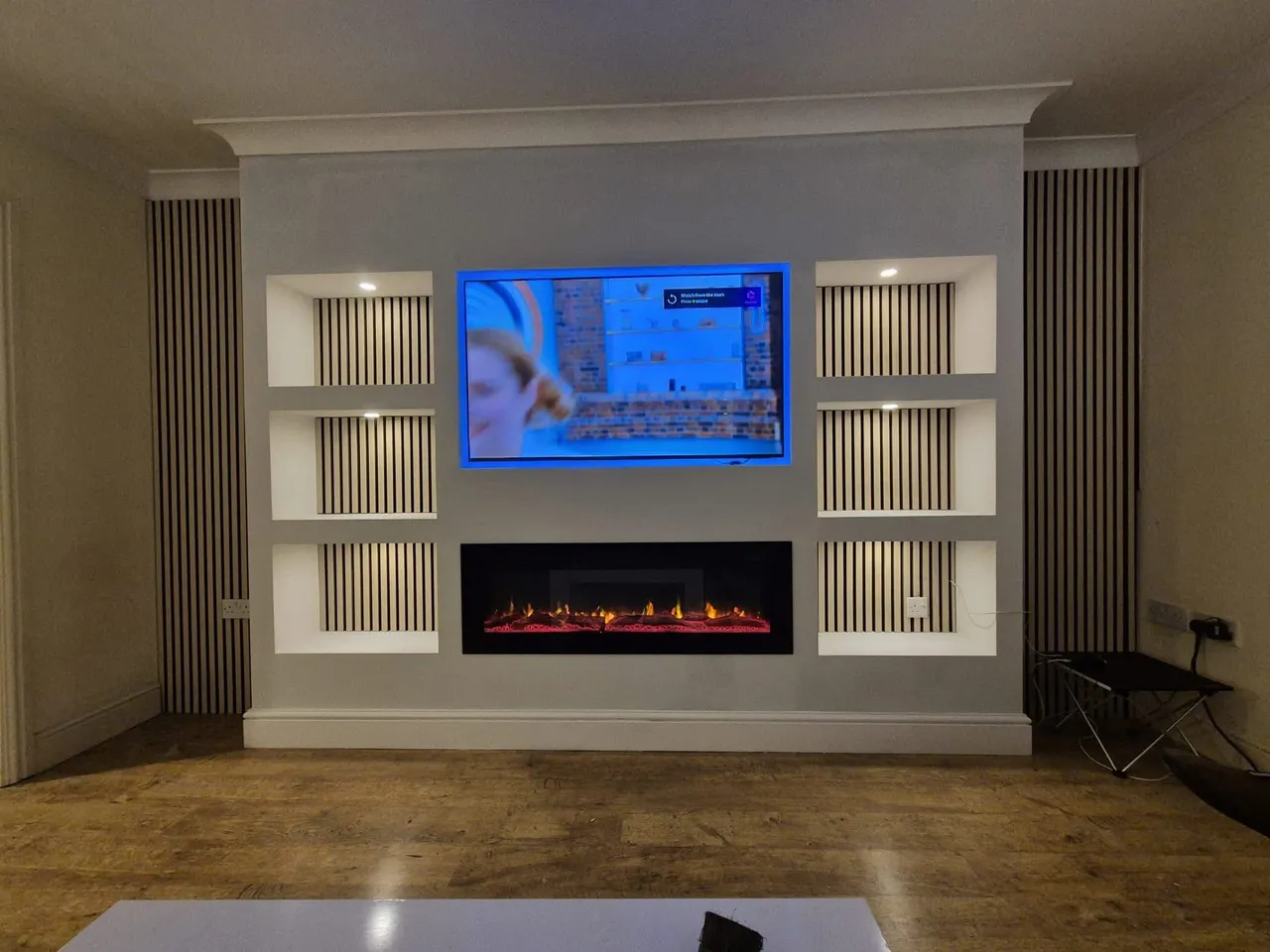
- Media walls, alcove units and finishing carpentry
- Decoration, flooring and final making good
Elements such as decoration, flooring, structural engineer fees, Building Control fees and any professional or design costs are dealt with according to the individual project, and are included only where the quotation says so.
What a whole house job usually involves
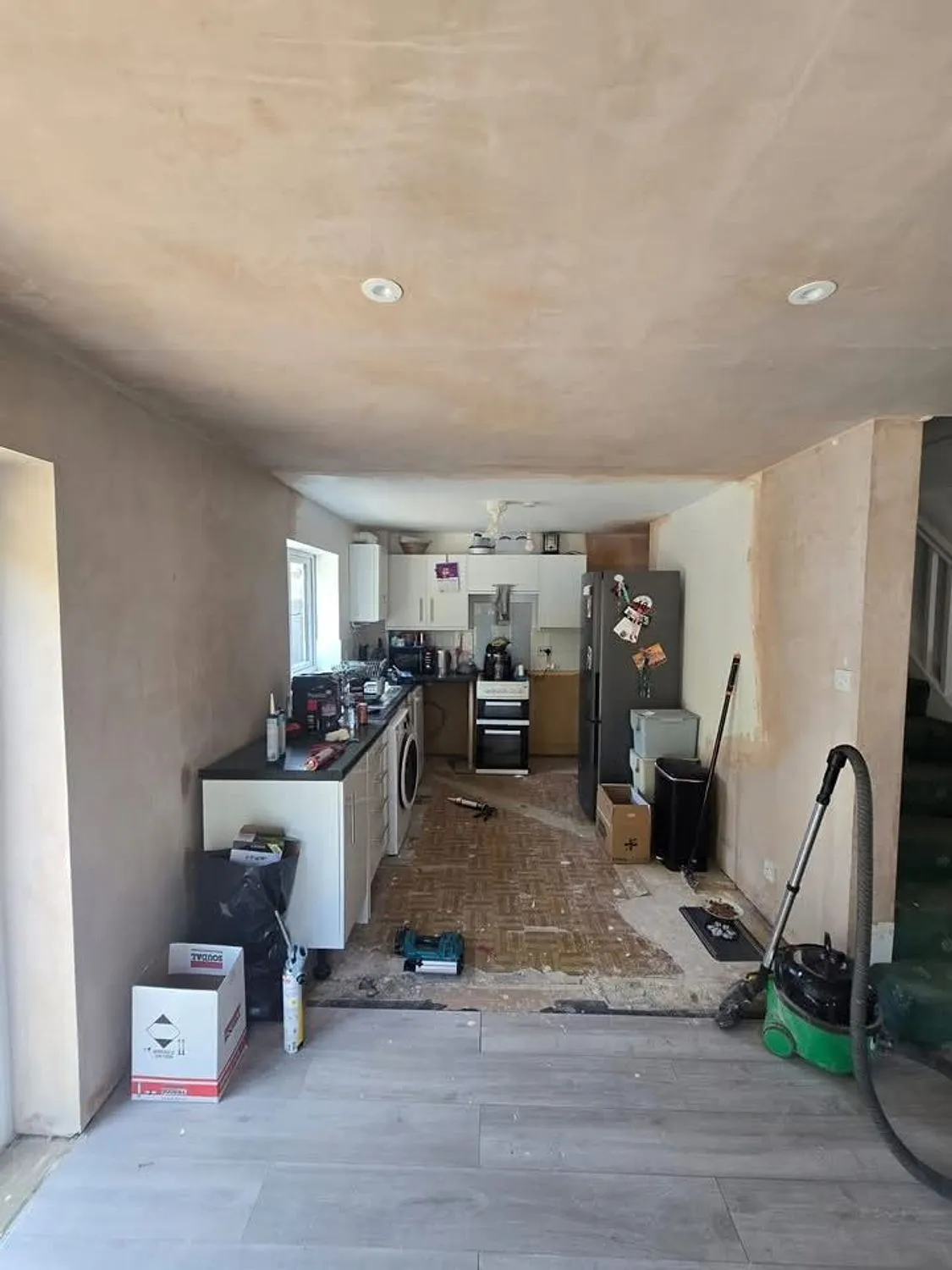
Strip out first, back to what is worth keeping. Then the structural moves: knocking through, taking out a chimney breast, forming a downstairs cloakroom, reconfiguring the stairs. Then first fix, which means the rewire, the pipework, the new soil and waste runs, and any insulation going into walls or lofts. Then plaster, then second fix, then decoration and floors.
Older houses always have a surprise or two. Rotten joist ends near a wet wall, a lintel that was never there, a soil pipe running somewhere unhelpful. We open up early where we can, so the surprises arrive when there is still room in the programme rather than at the end.
The bits worth spending money on
Insulation and airtightness while the walls are open. Wiring capacity, because nobody has ever regretted extra sockets. And the flat, straight plaster that makes everything else look expensive. Kitchens and bathrooms get replaced again in fifteen years. The fabric does not.
The bit people over spend on, honestly, is bespoke joinery early in the job. It is lovely, but it is also the thing you can add in year two when the dust has settled.
Living in it, or moving out
If the house is empty we can run several trades at once and the whole thing takes a lot less time. If you are living in it we work room by room, keep one bathroom and one kitchen going, and sheet up and clean down properly at the end of each day. Nobody enjoys the middle of a renovation, but there is a big difference between an organised site and a chaotic one.
They did a fabulous job! 10/10. Friendly, professional, full of ideas & willing to listen! Share your vision & they will do what they can to deliver! I would recommend them to anyone.
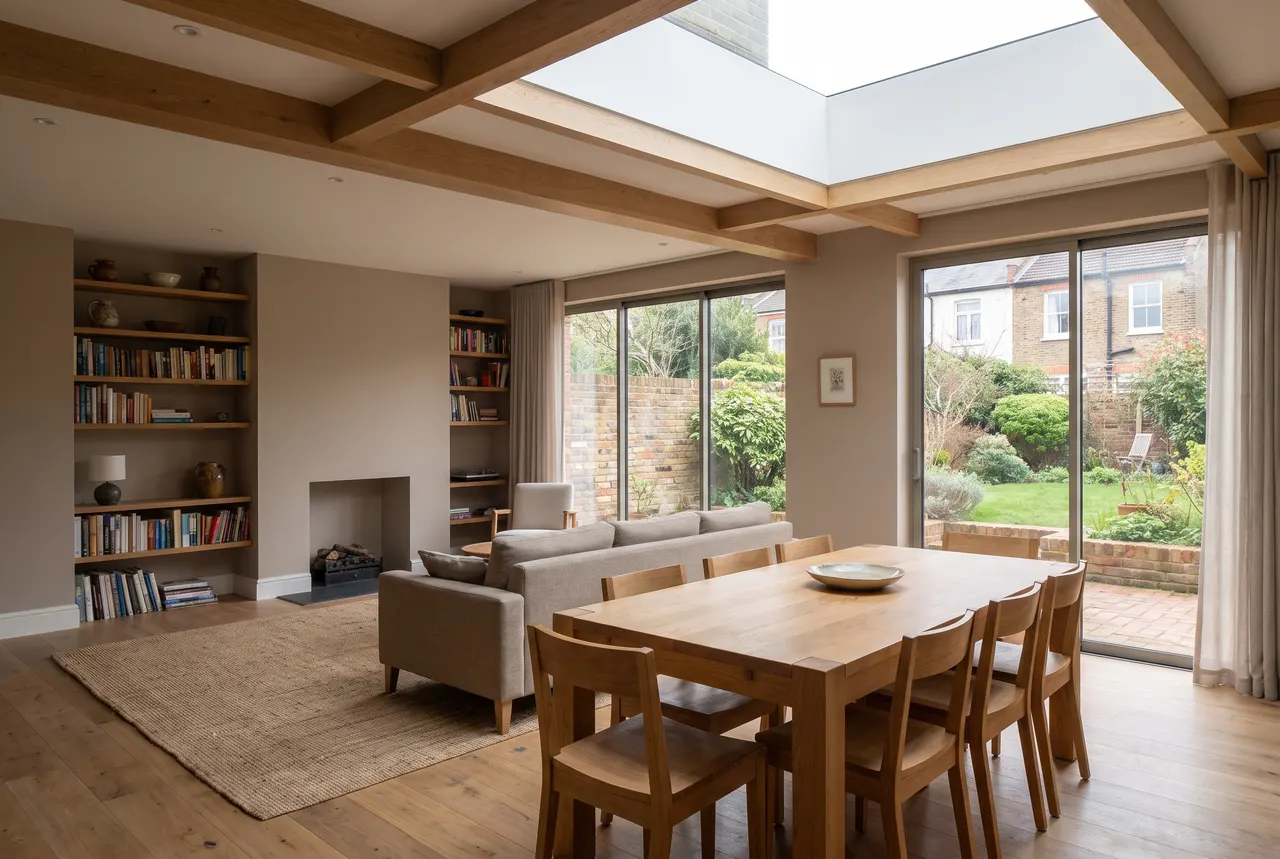
Examples of this work
Some of these are mid build rather than finished, because that is where you can see how something was put together.
Worth knowing
Renovations move. If we find something behind a wall that changes the job, you get told the same day, in writing, with what it costs and what the options are. What you will not get is a bill at the end for work you never agreed to.
Where we do this work
Milton Keynes is home and most of this work is inside the city. We also take it on across the surrounding towns, and each of these has its own page on what the job tends to involve there.
Every area we cover, and what is different about building there
Common questions
How long will the work take?
It depends on the job, and anyone who gives you a number without seeing the house is guessing. As a rough guide: a bathroom is two to three weeks, a kitchen refit two to four, a single storey rear extension is usually ten to fourteen weeks from breaking ground, and a full house renovation runs three to six months depending on scale.
Weather, Building Control inspections and lead times on windows, doors and kitchens all move those numbers. We build realistic float into the programme rather than promising a date we cannot hold.
Can we stay in the house while you work?
Usually yes, and most of our customers do. On an extension you can live fairly normally right up until we break through into the existing house, which we leave as late as possible for that reason.
On a full renovation it is harder but still workable. We go room by room, keep a working kitchen and bathroom going as long as possible, sheet up properly and clean down at the end of each day.
How do payments work?
Payments are made in agreed stages appropriate to the size and type of project. The complete payment schedule is set out clearly within the quotation before work begins.
Different projects have different payment structures, particularly on larger builds, so the schedule is agreed with you in advance rather than assumed. You will always know what is due and when before any work starts.
What happens if you find something unexpected?
You get told the same day, and you get it in writing before anything is done about it. Old houses in particular hide things: a lintel that was never there, a rotten joist end, a drain running somewhere nobody expected.
Our focus is on transparency and communication at every stage, so nothing that affects the price goes ahead without your approval first. You will not receive a bill at the end for work you did not agree to.
Related work
Structural alterations
Load bearing walls out, steel in, signed off properly.
Read more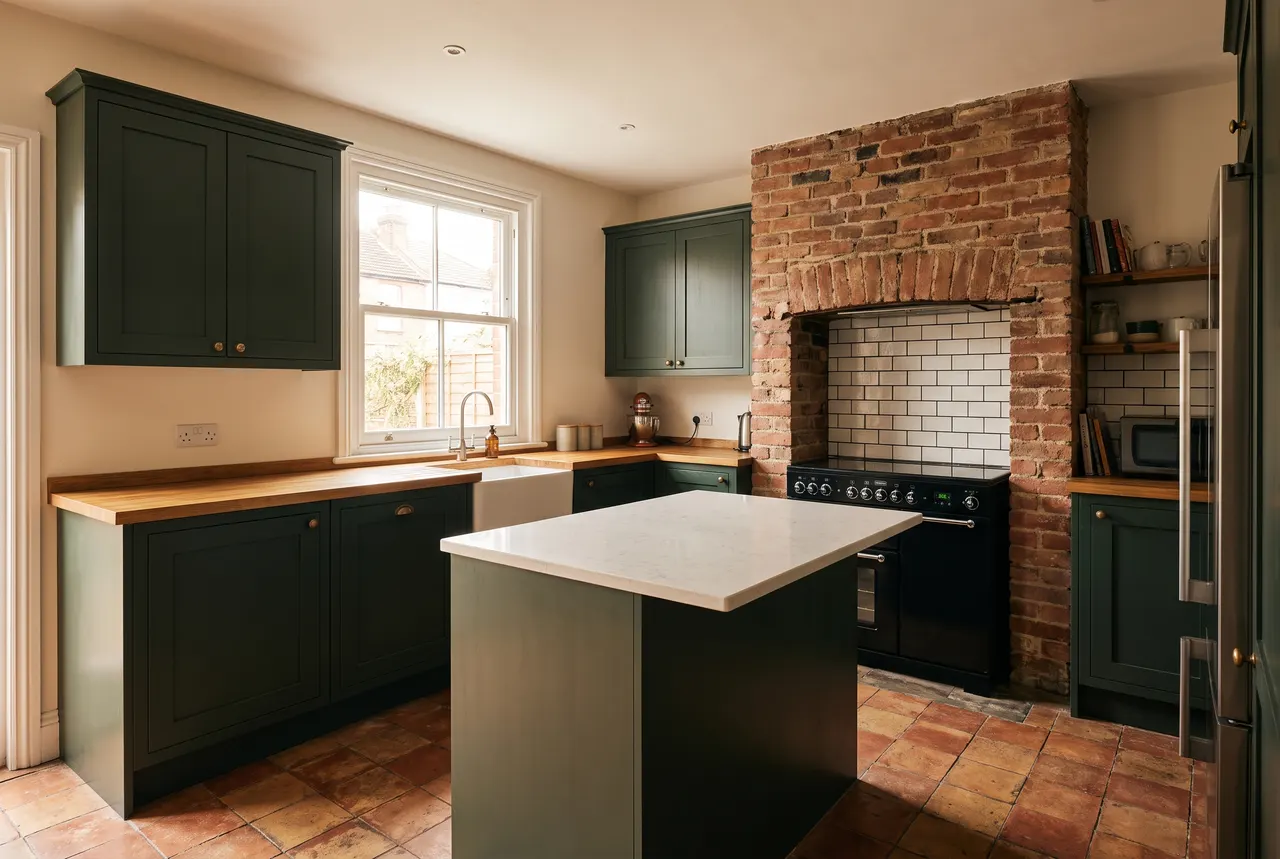
Kitchen fitting and renovations
Full kitchen installations and renovations, including the wall you want gone.
Read moreInsurance repairs and reinstatement
Fire, flood and water damage put right, working with your insurer.
Read moreTalk it through before you commit
The site visit and the written quotation are free. If you want to know what we are like to work with first, check out our five star Google reviews.