
Insurance Building Repairs and Property Reinstatement in Milton Keynes
Fire damage, water damage and flood reinstatement across Milton Keynes, carried through from strip out to handover by one contractor.
A burst pipe, a fire in the kitchen, a flood through the ground floor. The damage is one problem and dealing with the insurer is another, and most people are trying to do both while living in a house that is half unusable. Charlie has previous experience of fire and water damage reinstatement work, and the building side of it is what we do every week anyway: strip out, structure, plaster, kitchens, bathrooms and decoration.
Typical works can include
Every project is different. Depending on the agreed scope, works may include:
- Making safe, boarding up and temporary weatherproofing
- Strip out of fire, smoke, water and flood damaged materials
- Drying out, dehumidification and moisture monitoring
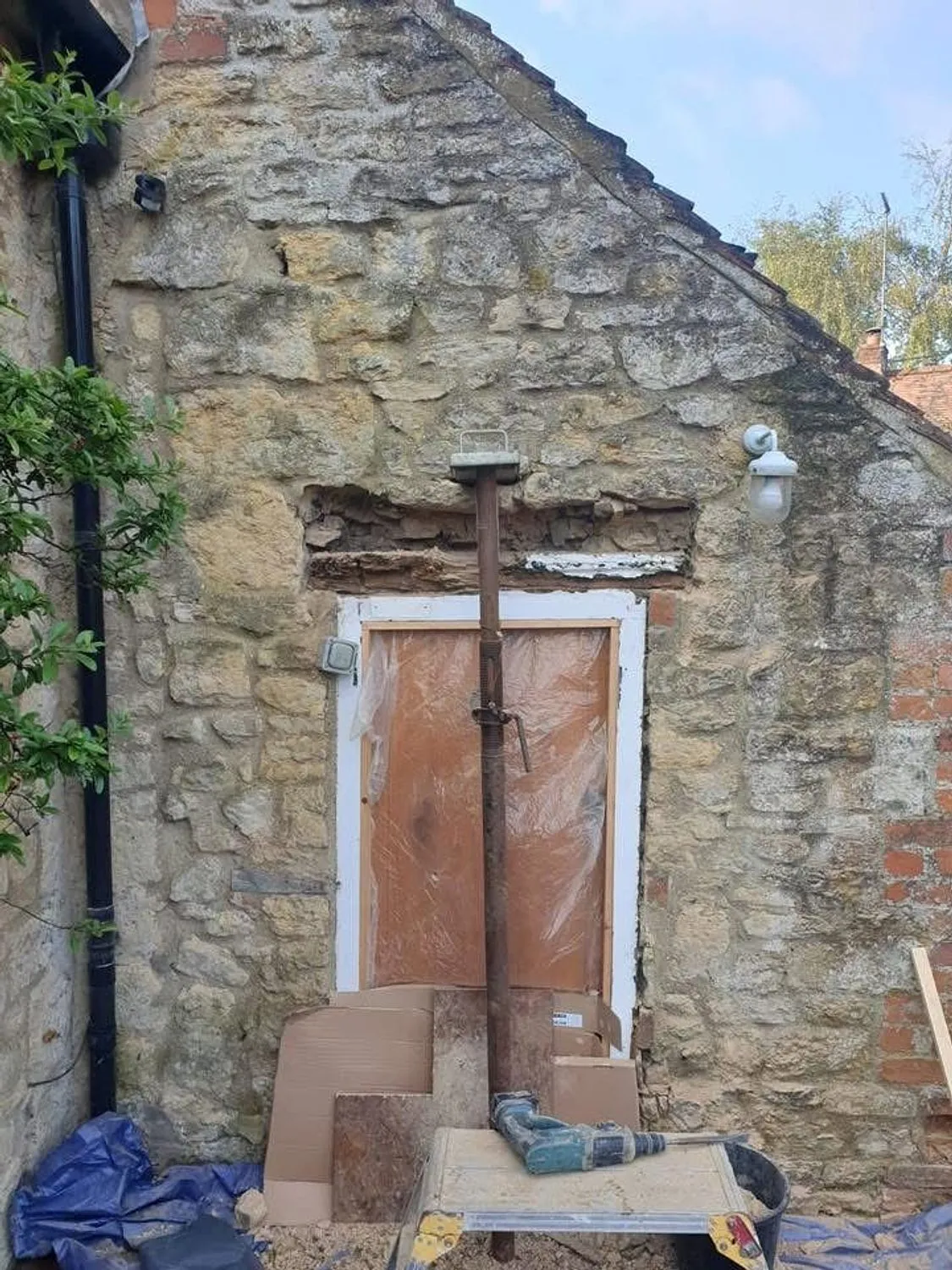
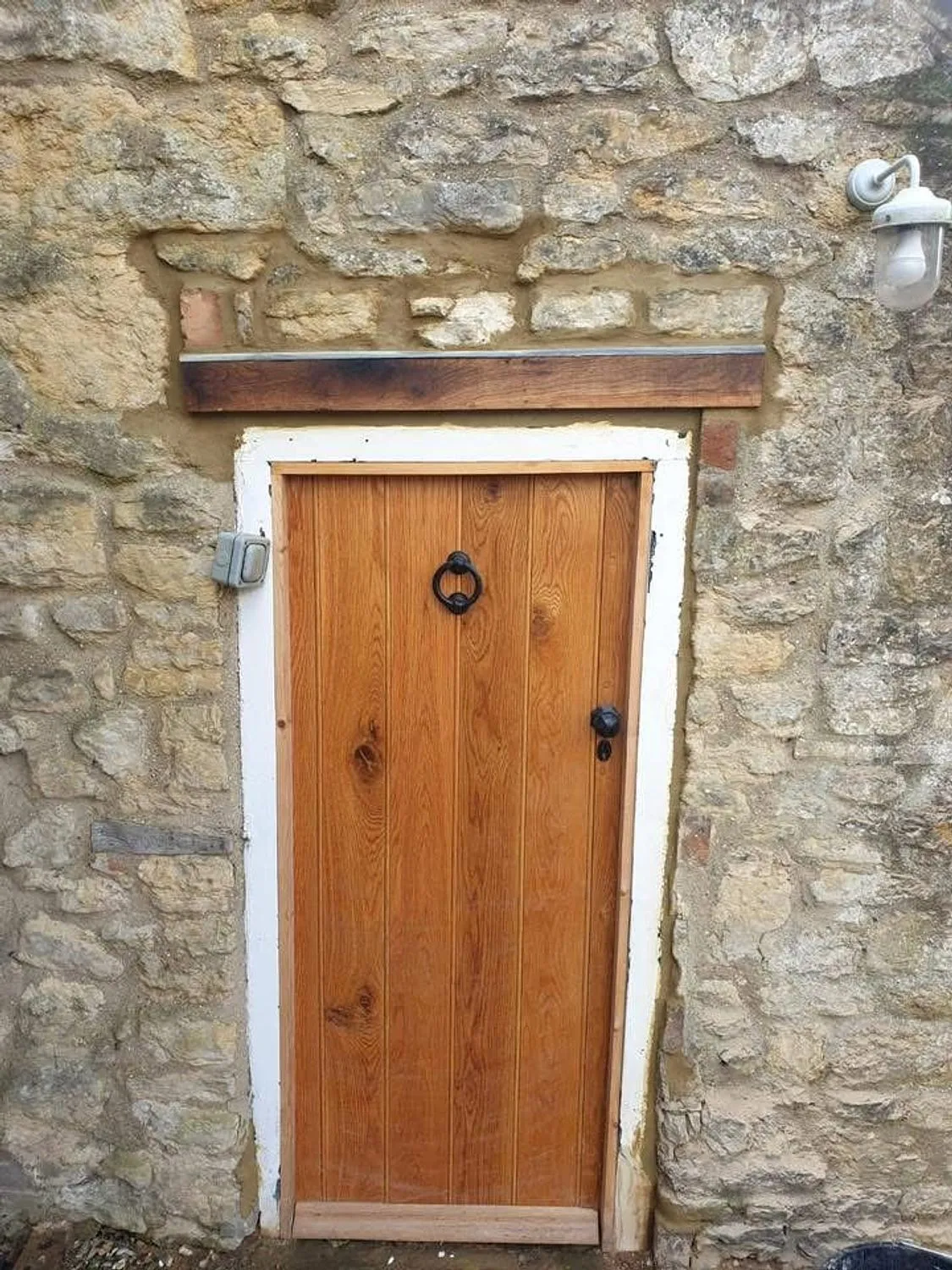
- Structural inspection and replacement of damaged timbers, joists and lintels
- Brickwork rebuilding and repair after impact or subsidence
- Rewiring and electrical renewal by a qualified electrician
- Replastering, reboarding and ceilings
- Kitchen and bathroom reinstatement
- Flooring, doors, skirting and finishing carpentry
- Smoke sealing, cleaning and full redecoration
- Pricing against the insurer’s schedule of works, and liaison with the loss adjuster
Elements such as decoration, flooring, structural engineer fees, Building Control fees and any professional or design costs are dealt with according to the individual project, and are included only where the quotation says so.
How an insurance reinstatement job works
You report the claim, the insurer appoints a loss adjuster, and the adjuster agrees a schedule of works that sets out what will be put right and to what standard. Some insurers send their own contractor. Many will accept a quotation from a builder of your choosing against that schedule, and a lot of people prefer that, because you get to choose who is in your house for six weeks.
We price against the schedule of works, in the format the adjuster wants, and we can attend the site visit with them so the scope is agreed properly before anything starts. Where the adjuster has missed something, which happens, we say so early rather than argue about it later.
Water damage and flood restoration
Escape of water is the most common domestic claim by a long way, and the mistake is reinstating too soon. Wet plaster, wet screed and wet timber have to dry out properly, and that can mean weeks of dehumidifiers and moisture readings before a single sheet of plasterboard goes back on. Strip out first: soaked plasterboard, swollen skirting, laminate that has lifted, kitchen carcasses that have blown. Then drying, then rebuild.
Flooding from outside adds contamination to the problem, so the strip out goes further and everything gets cleaned and treated before reinstatement. On a ground floor that has flooded we would also talk to you about what could be done differently going back in: solid floors, raised electrics, tiled rather than timber, so the next time is a clean up rather than a rebuild.
Fire damage repairs
Fire damage is rarely only where the fire was. Smoke and soot travel through the whole house, and the water used to put it out causes its own damage a floor below. Structural timbers, joists and roof members near the seat of the fire need inspecting and often replacing, electrics in the affected area normally need rewiring, and every surface that smells of smoke needs sealing before it is decorated or the smell comes back through the paint.
A kitchen fire is the typical one. The kitchen comes out, the ceiling and the joists above get checked and replaced where needed, the electrics are made safe and renewed, the whole ground floor is cleaned and sealed, and then it is a kitchen refit and a redecoration, which is work we already do.
While the claim is being sorted
We can make a property safe and weathertight quickly, and we can carry out the strip out and drying stage while the schedule of works is still being agreed, so the house is not sitting wet for a month waiting on paperwork. Talk to your insurer first so nothing is done that affects the claim.
Subsidence, impact and storm damage
The other claims we get asked about are storm damage to roofs, vehicle impact on front walls and garages, and the making good after subsidence has been dealt with. The subsidence itself, underpinning and monitoring, is specialist work and usually the insurer appoints an engineer for it. The repair afterwards, rebuilding cracked brickwork, matching the mortar and replastering inside, is exactly what we do. Peter Tribble’s review describes that kind of repair.
The guys did a fabulous job, friendly, professional and clearly taking pride in what they do. Will definitely use them again.
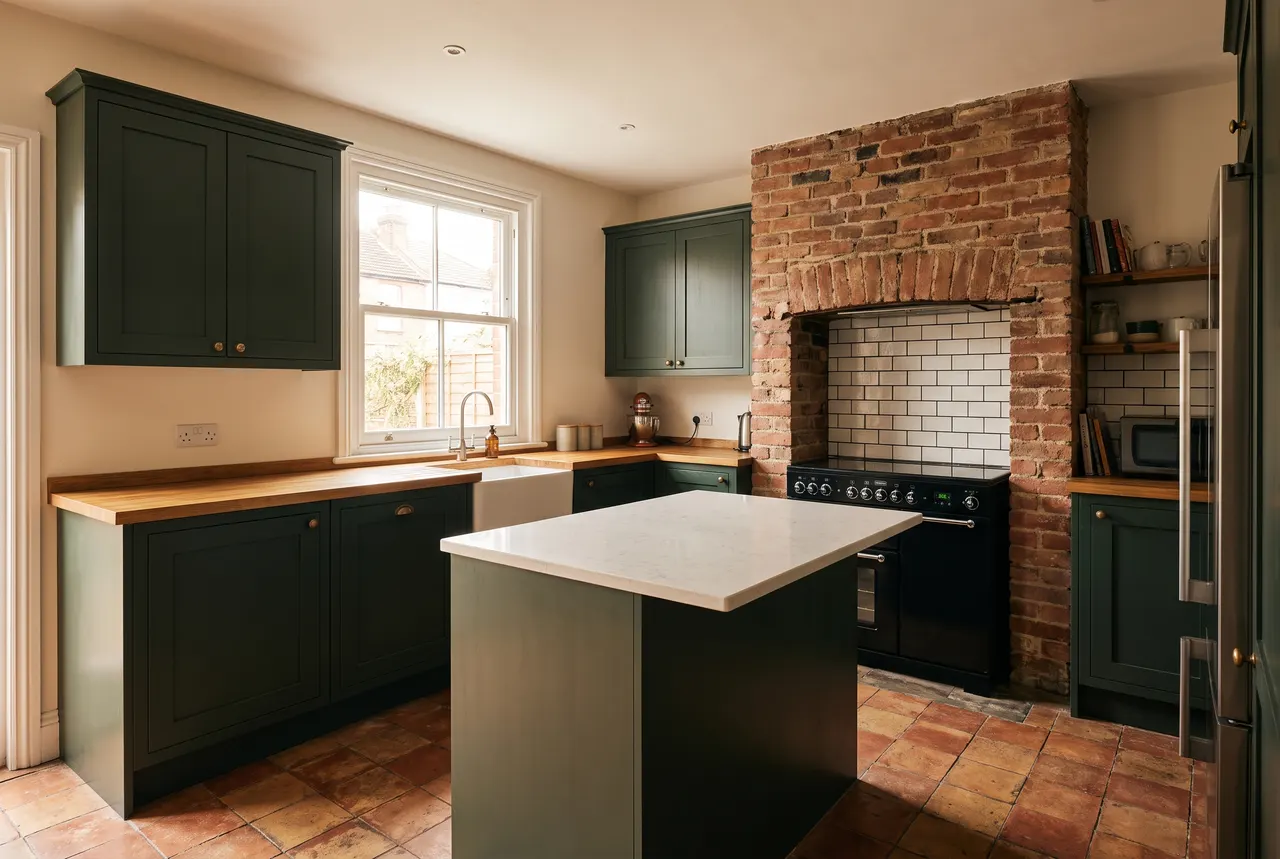
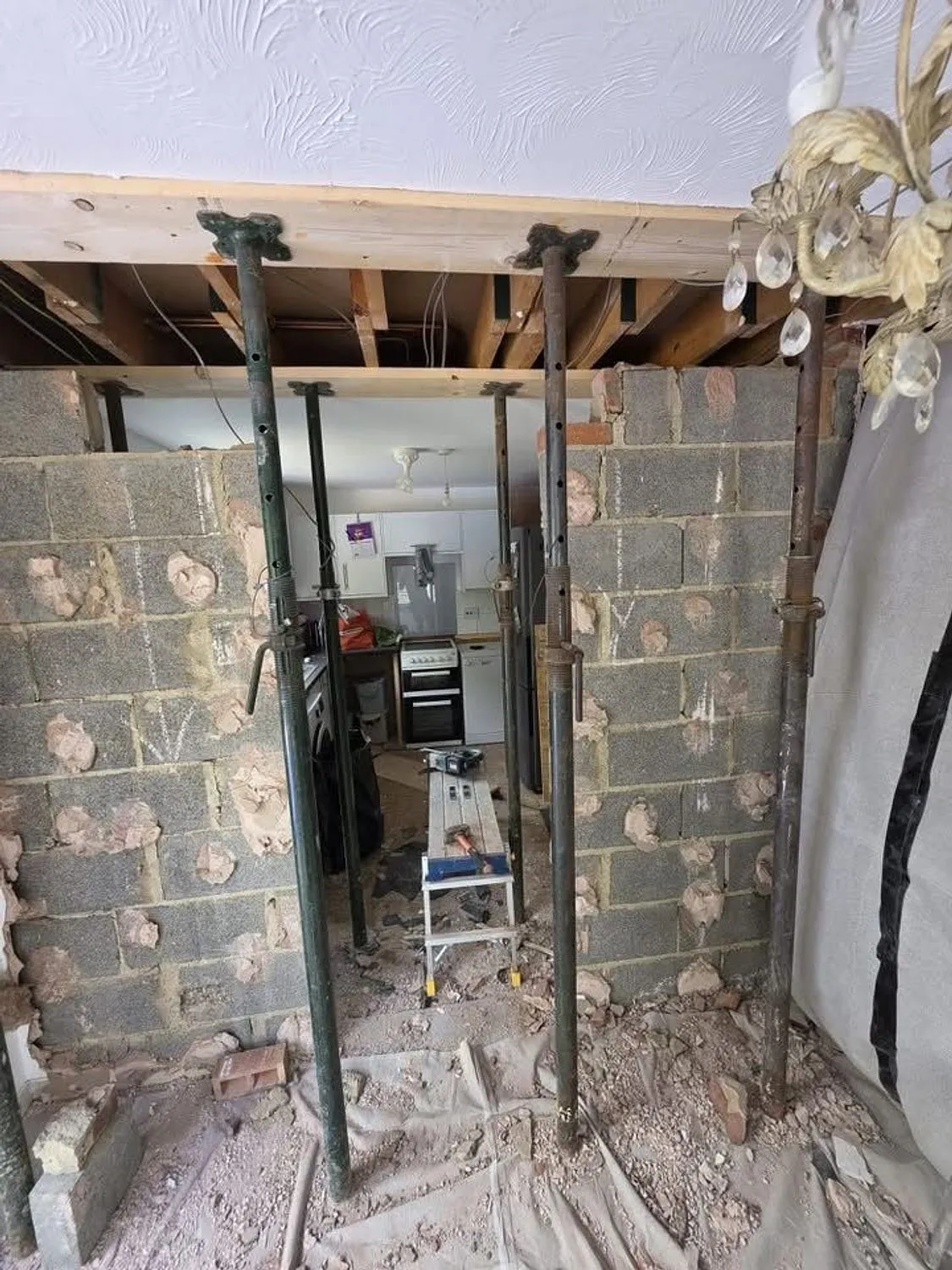
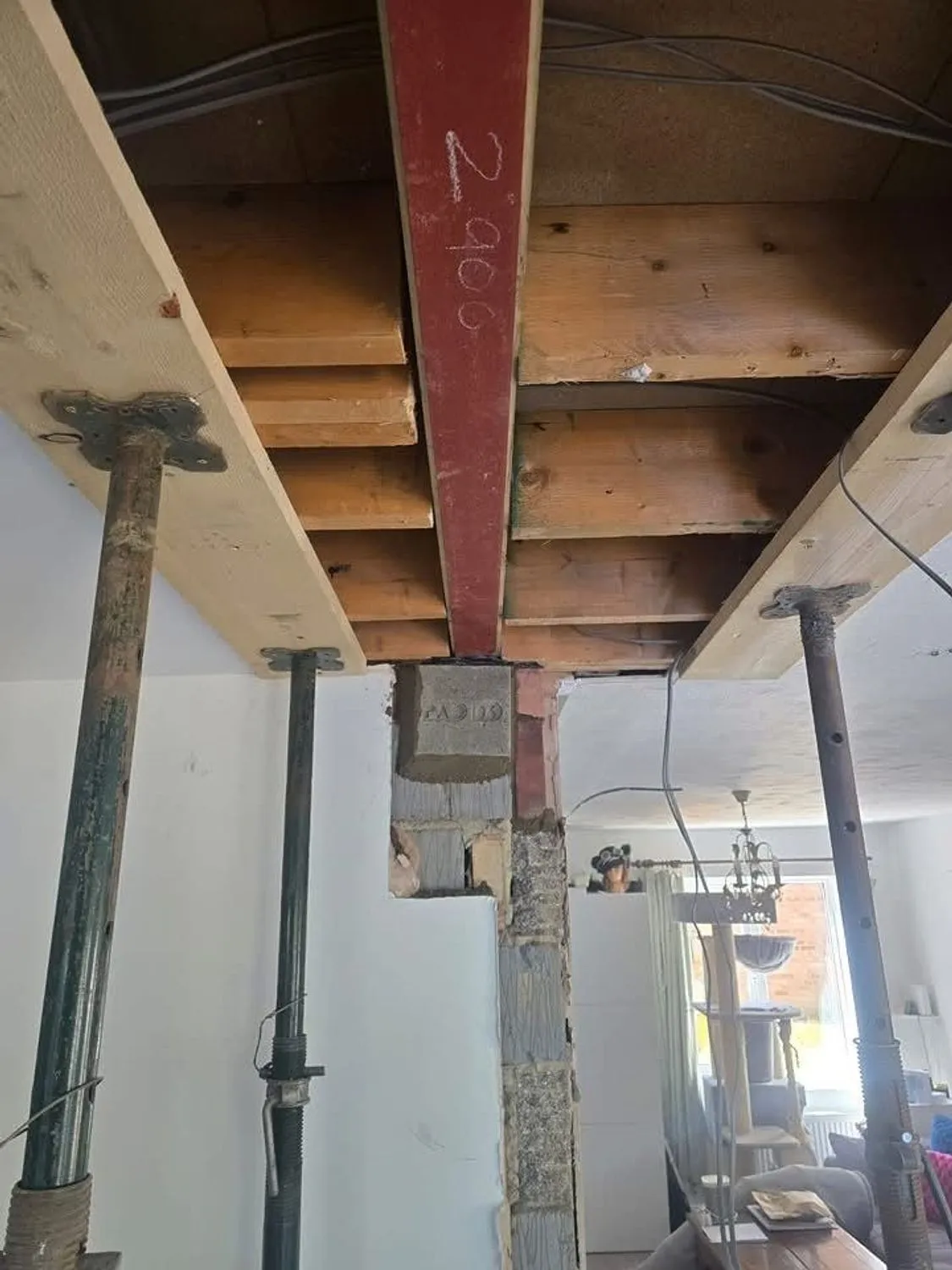
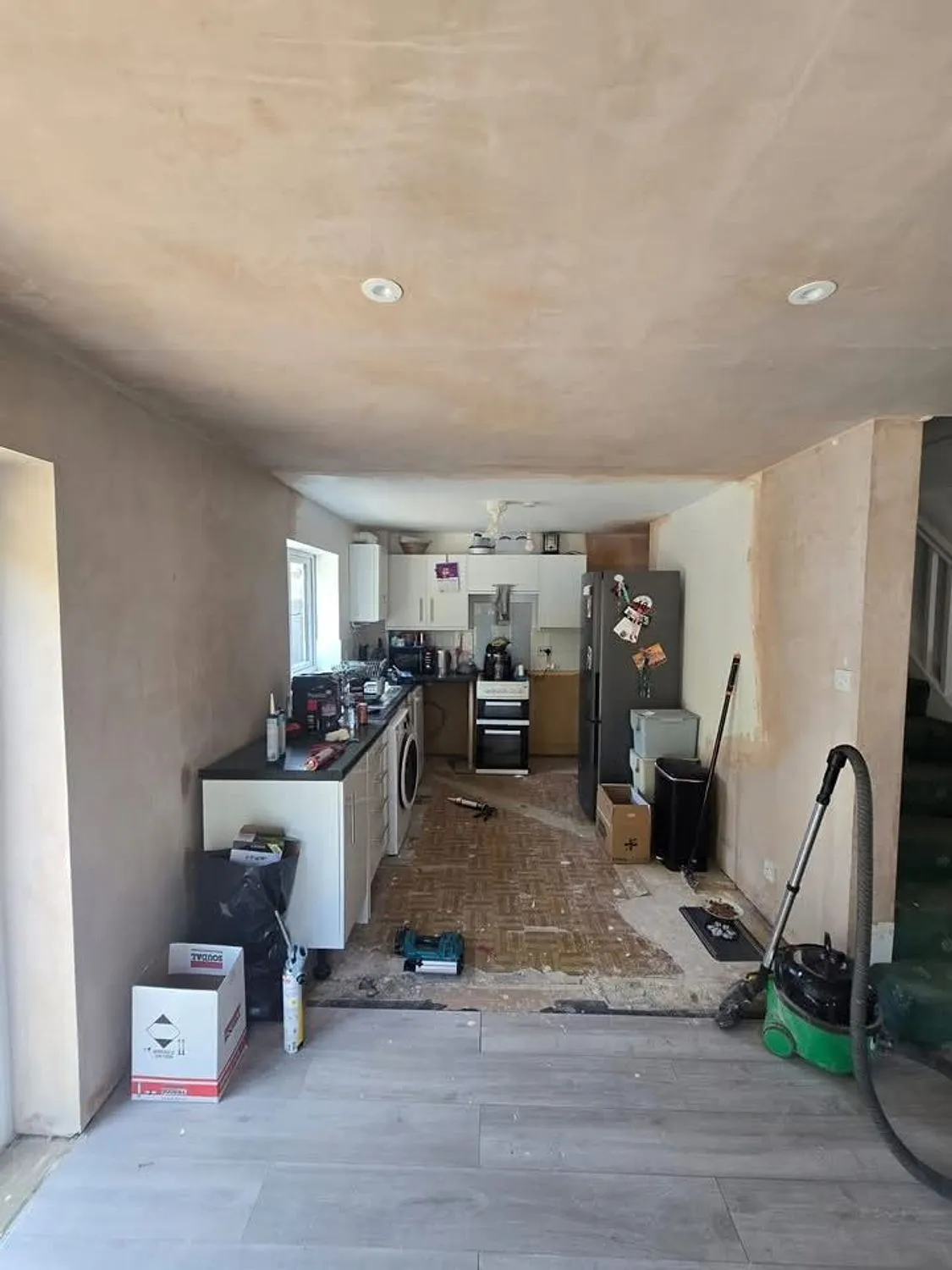
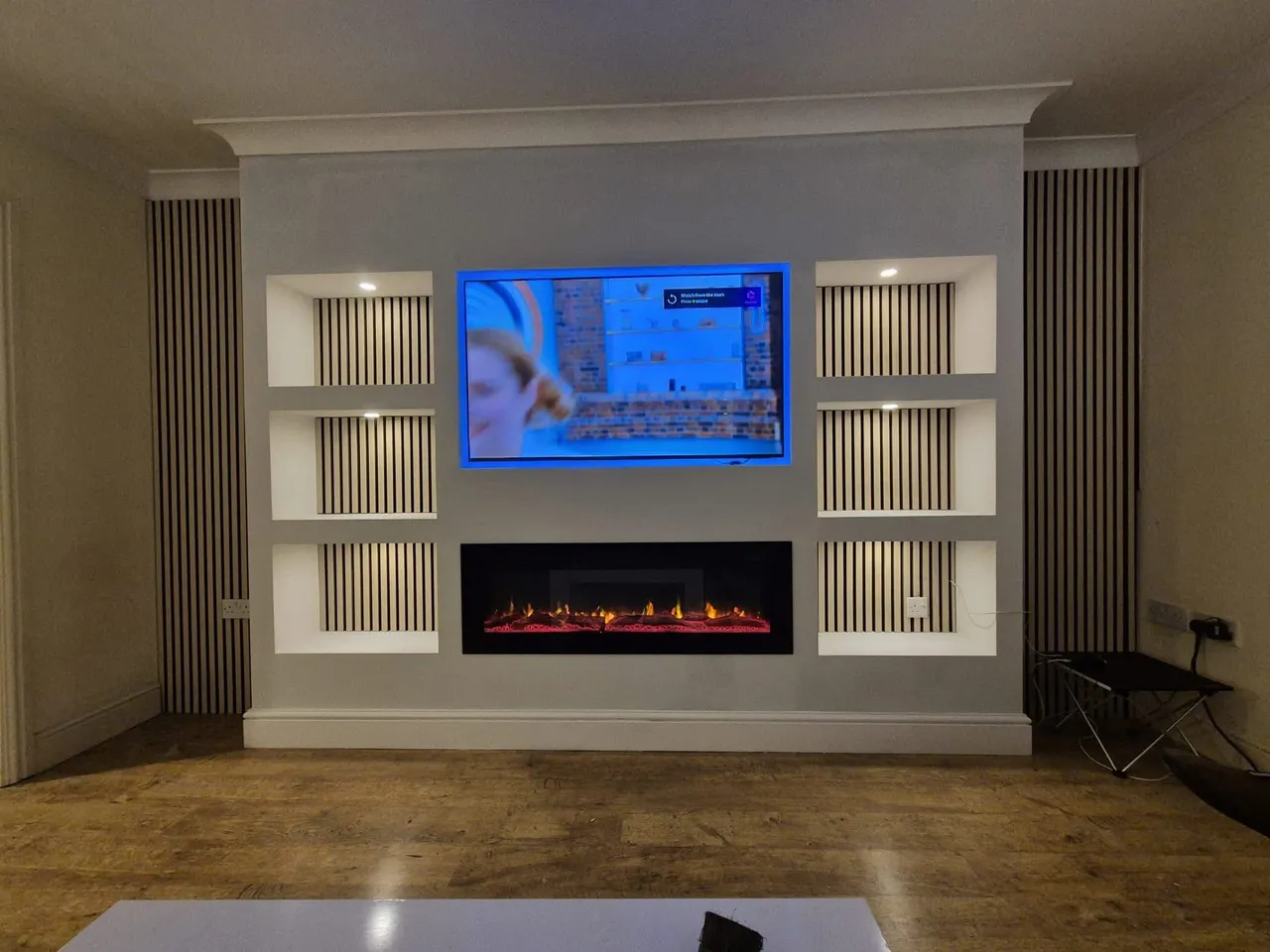
Examples of this work
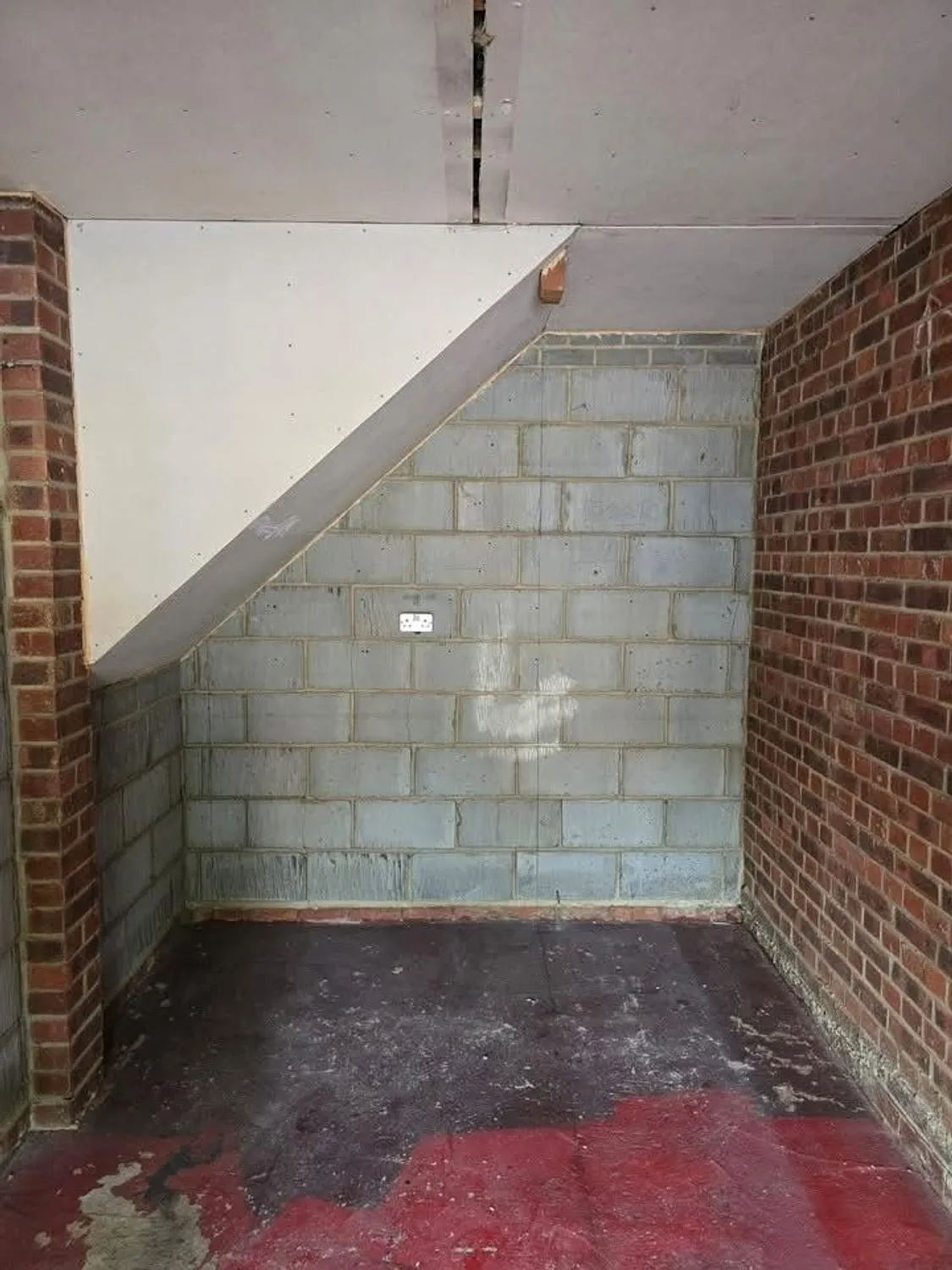
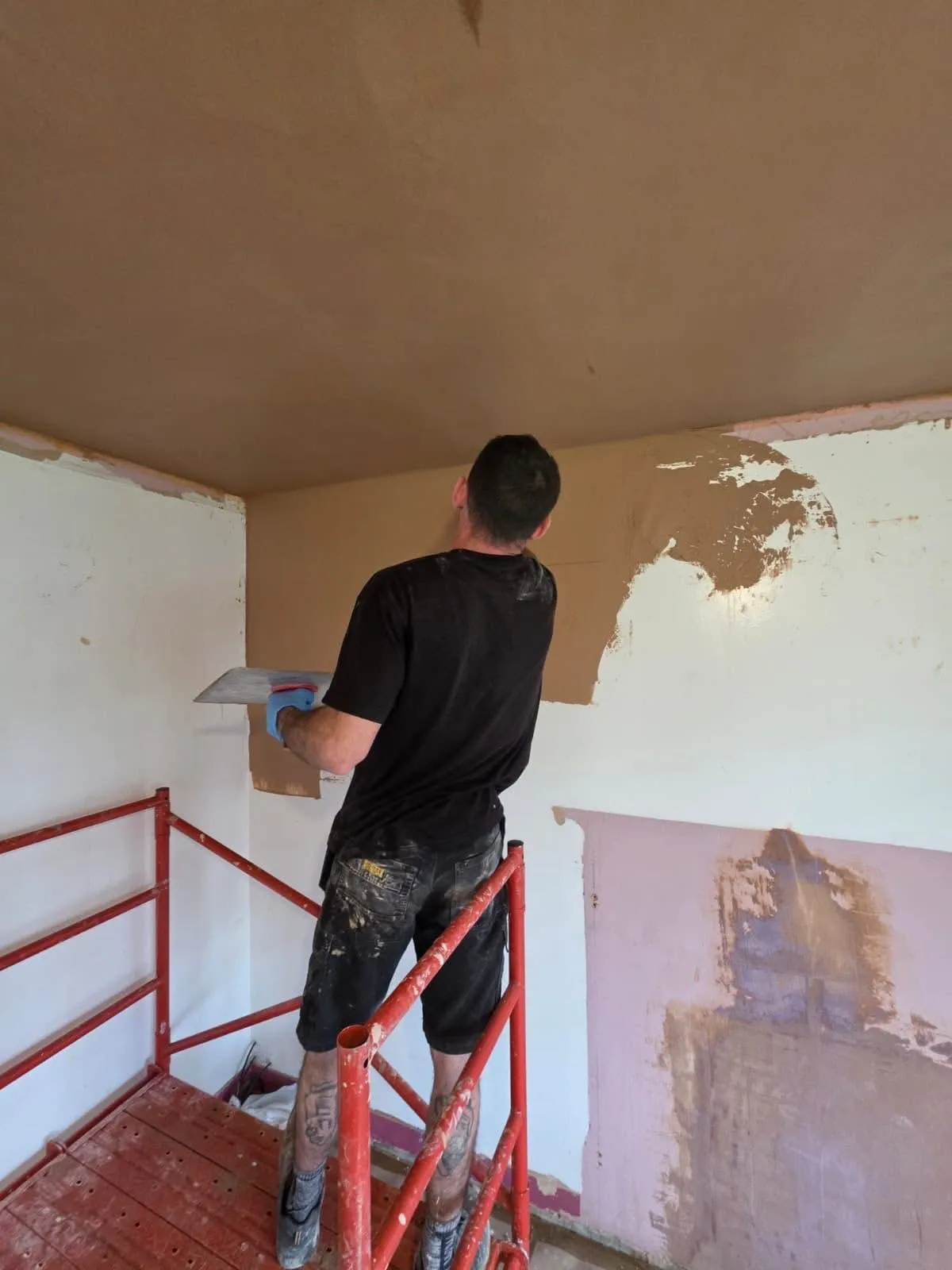
Some of these are mid build rather than finished, because that is where you can see how something was put together.
Worth knowing
We are a building contractor, not a claims management company. We will price honestly against the schedule, do the work to the standard the adjuster expects, and tell you if the scope is short. What we will not do is inflate a claim, and you should be wary of anyone who offers to.
Where we do this work
Milton Keynes is home and most of this work is inside the city. We also take it on across the surrounding towns.
Every area we cover, and what is different about building there
Common questions
Can I use my own builder for an insurance claim?
Often, yes. Some insurers insist on their own contractor, but many will accept a quotation from a builder you choose against the loss adjuster’s schedule of works, and you may be offered a cash settlement to use as you wish. Check your policy and ask the adjuster. We price against the schedule in the format they want and can attend the site visit so the scope is agreed properly.
How long does a property take to dry out after a leak or a flood?
Longer than anyone wants. Wet plaster, screed and timber need weeks with dehumidifiers and regular moisture readings before anything goes back on, and putting plasterboard over a wall that is still damp just moves the problem behind the paint. The strip out happens quickly. The drying is patient. The rebuild only starts when the readings say so.
How long will the work take?
It depends on the job, and anyone who gives you a number without seeing the house is guessing. As a rough guide: a bathroom is two to three weeks, a kitchen refit two to four, a single storey rear extension is usually ten to fourteen weeks from breaking ground, and a full house renovation runs three to six months depending on scale.
Weather, Building Control inspections and lead times on windows, doors and kitchens all move those numbers. We build realistic float into the programme rather than promising a date we cannot hold.
How do payments work?
Payments are made in agreed stages appropriate to the size and type of project. The complete payment schedule is set out clearly within the quotation before work begins.
Different projects have different payment structures, particularly on larger builds, so the schedule is agreed with you in advance rather than assumed. You will always know what is due and when before any work starts.
Related work
Talk it through before you commit
The site visit and the written quotation are free. If you want to know what we are like to work with first, check out our five star Google reviews.